



All about electric cars
The sale of electric cars has increased in recent years, and it is predicted that by
2035, at least 60% of consumer cars will be electric cars. There are many car
companies such as Ford, Volkswagen and of course Tesla that design electric cars
and constantly update them.
It seems that in the next few years, the cost of maintaining electric cars will decrease
as much as hybrid cars. This issue, along with optimal consumption and favorable
environmental effects, will make the use of electric cars more affordable than before.
How do electric cars work?
Electric cars are powered by a battery that's charged by an electric motor. The battery
can store the energy from the electric power grid or solar panels, and they can be
charged from an electric socket in your home. The battery sends power to the wheels
and drives the car. It works just like a regular car, except it doesn't have an internal
combustion engine (ICE).
Different type of electric cars
There are three different types of electric cars in the market with different benefits.
▪ Plug-in electric: This type of machine works only with electricity. Therefore,
no other fuel can be used for these cars.
● Electric-hybrid: A hybrid is a regular internal combustion engine (ICE) car
with an electric motor as well. It uses both the combustion engine and the
battery to get around, but it also has a range extender which allows it to run
on just its gas tank if need be. The most popular hybrid cars are Prius models
from Toyota, although there are other brands as well.
● Plug-in hybrid - This type of vehicle combines an internal combustion engine
with an electric motor that can be charged externally by plugging into an
outlet. The two power sources work together in many ways like they do in a
traditional hybrid car's system; however, unlike those vehicles' batteries being
rechargeable only while driving or braking--plug-in hybrids allow you to
recharge them at home overnight using electricity instead of gasoline so that
they can run longer distances without needing refills from their tanks (which
means less pollution too!). You'll find many examples here including several
models from BMW along with Chevrolet Volt series (which includes both
hatchback and wagon styles).
Everything about charging
The first thing to consider is the charging time. Depending on your car, you'll need
anywhere from 30 minutes to several hours to fully charge your battery.
Charging stations are also important because they can vary in price and availability.
Some cities have a lot of charging stations while others have very few--or none at
all! You should also consider whether or not you want to install solar panels at home
so that you don't have to rely on public charging stations as much (which could get
expensive).
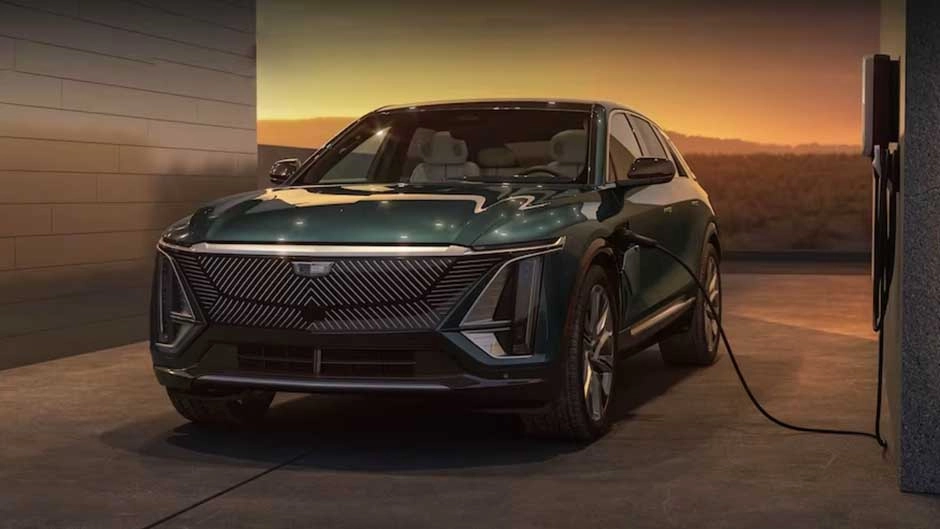
In general, you can charge an electric car at home or at public charging stations.
There are three ways to charge the car, each charging the car at a different speed.
Trickle charge, AC household charging with wallbox and DC fast charging.
At home, cars are charged in two ways: Trickle charge, AC household charging with
wallbox.
In the trickle charge method, the car charging speed is much lower. The car charging
speed in this method is approx. 65 km of range in 5 hours (overnight), or 200 km in
14 hours.
In this method, the car is charged through two standard plugs, which can be
connected to the EV at home and do not need any other equipment to install and
charge the car.
Using this method can cost you the cost of charging electricity, that's why it is not
recommended at all except in the necessary cases when the car is running out of
charge and there is no other method available to you.
The second way for charging at home is AC household charging with a wallbox.
This electric car charging method is the most common home charging option and It
is usually recommended to people. Charging is done through a 230V outlet.
Depending on the type of car, this method can charge the car 3 to 4 times faster than
Trickle Charge.
Using this method, it takes about 6 hours to fully charge a 40 kWh battery car. Unlike
the previous charging method, an EV charging wall box must be installed in advance
by a trained electrician.
The fastest way to charge electric cars is DC charging at public stations. In this
method, nearly 80% of the car is charged in 40 minutes.
Electric vehicles (EVs) are a more environmentally friendly option for those who
want to reduce their carbon footprint. EVs have no tailpipe emissions, so they don't
contribute to air pollution or climate change.
In addition, EVs tend to be quieter than gas-powered cars because they don't have
an internal combustion engine or muffler. Electric motors also produce less vibration
than combustion engines do--and if you've ever driven an old car with a worn out
transmission, you know how much smoother and quieter that makes things!
disadvantages of electric vehicles
Electric vehicles (EVs) have some major disadvantages. The most obvious is price,
which can be up to $10,000 more than an equivalent gasoline-powered car. EVs also
lack the power of internal combustion engines and are therefore less fun to drive;
they're not great at passing other vehicles on the highway either.
Additionally, EVs have limited range (about 100 miles per charge) and there are
fewer charging stations available than gas stations in most areas.
Electric cars are becoming more popular. They're cheaper to run and easier to
maintain, with fewer parts that can break down. They also have lower emissions than
petrol or diesel vehicles, making them better for the environment.
So why aren't we all driving electric? The main issue is range anxiety - the fear that
your battery will run out before you reach your destination and leave you stranded
on the side of the road with no power source in sight!
Conclusion
It is clear that electric cars are becoming more popular. They have many advantages
over traditional gas-powered vehicles, including better performance, lower running
costs and less pollution. However, there are still some disadvantages to consider
before making the switch from petrol or diesel to an all-electric car.